[UPDATED: Spanish Version] STOCKHOLM / LONDON. 16 September 2026.
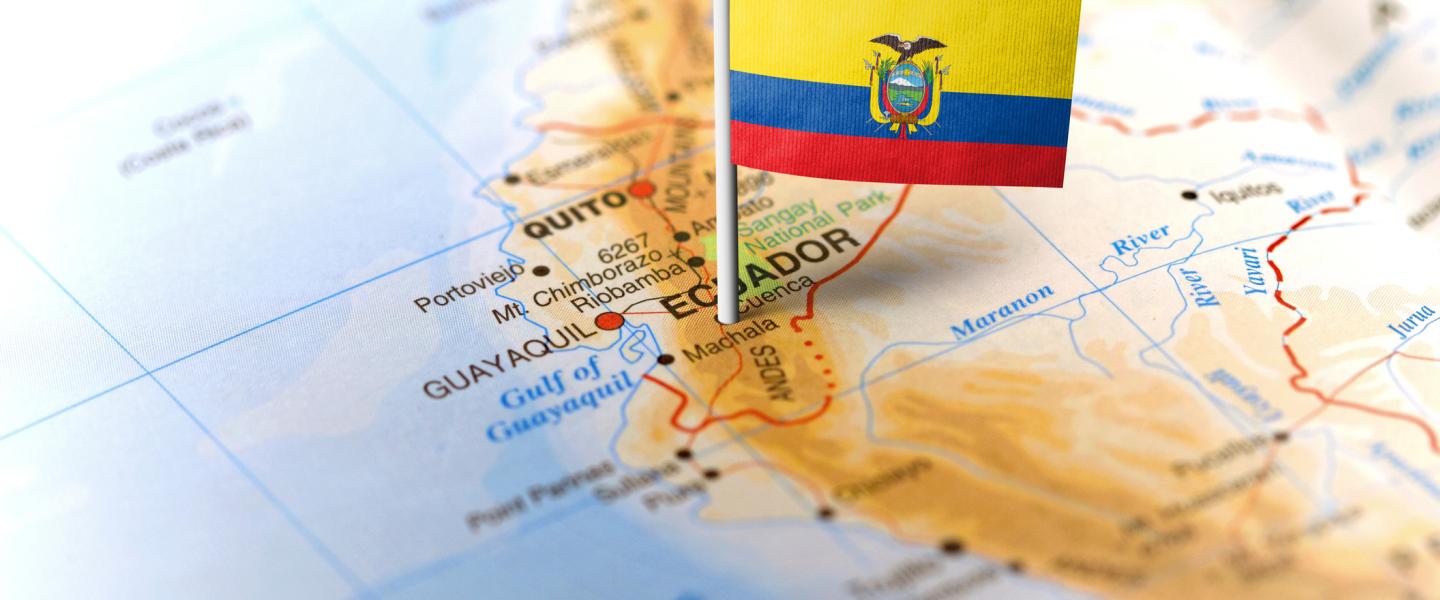
Ecuador's escalating criminal violence is increasing risks for human rights defenders, coastal communities, maritime workers, and others operating across the country's maritime and coastal environment.
OPINION
Ecuador today stands at a crossroads. For millions of citizens, daily life continues with resilience, community strength, and a determination to preserve dignity. Yet this reality is increasingly overshadowed by the expanding influence of criminal elements whose violence, intimidation, and territorial control have reshaped social, economic, and political life across the country.
Across cities such as Guayaquil, Quito, Esmeraldas, and Manta, many residents report a growing sense of unease. Early-morning commutes, school runs, and market days increasingly take place against a backdrop of insecurity driven by extortion, organised criminal activity, and recurrent episodes of violence linked to criminal groups. Recent assessments indicate that violence has become increasingly concentrated in strategic trafficking corridors, port cities, and areas where organised crime networks compete for territorial control.
Neighbourhood leaders, teachers, small business owners, transport operators, journalists, and community organisers can face heightened risks when resisting extortion demands, exposing corruption, or speaking out against criminal activity. Reports have documented threats, intimidation, and violence directed at civil society actors and media professionals operating in areas affected by organised crime.
This climate has eroded trust, strained public services, and forced families to adapt their daily routines around safety concerns.
WIDER CONCERNS
Ecuador’s security crisis is not occurring in isolation. Regional dynamics, including drug trafficking routes, cross-border criminal networks, and the fragmentation of larger cartels, have contributed significantly to the country’s instability.
Recent assessments identify Ecuador as one of the countries most affected by organised crime in the region. The country has become a key transit hub for transnational trafficking networks due to its location between Colombia and Peru, while ports such as Guayaquil and Manta have become critical nodes in global cocaine trafficking routes. Criminal organisations compete for territorial control and access to logistics infrastructure, with violence often accompanying these struggles.
Human rights organisations and crime-monitoring bodies report:
- Rising extortion ("vacunas") targeting shops, markets, transport operators, and local businesses. Criminal groups increasingly rely on extortion as a major source of revenue, often using violence, kidnapping, or intimidation to enforce payments.
- Increased recruitment and exploitation of minors by criminal groups. Young people aged 15 to 29 accounted for 46% of homicide victims in 2025, while analysts have documented growing criminal recruitment and exposure of children and adolescents to organised criminal activities.
- Escalating violence in coastal provinces, where control of ports, fishing zones, and trafficking corridors is strategically valuable. Authorities and researchers have linked these areas to intense competition among criminal networks involved in narcotics trafficking.
- Attacks, threats, and intimidation directed at journalists, community organisers, activists, and local officials who report on corruption or resist criminal influence. Documented security risks have contributed to self-censorship and growing concerns for civil society actors.
These patterns reflect a broader crisis of impunity, where weak enforcement, corruption, institutional strain, and criminal infiltration of public institutions allow organised crime actors to operate with increasing confidence.
IMPACTS ON DAILY LIFE
For ordinary Ecuadorians, the consequences are tangible:
- Families restrict movement after dark.
- Businesses close early or relocate.
- Fishermen and port workers face heightened risks linked to smuggling routes.
- Public transport operators navigate zones controlled by rival groups.
- Community events, once central to neighbourhood identity, are cancelled or held discreetly.
The wider security environment is reflected in national violence indicators. According to data compiled from Ecuador’s Ministry of the Interior, Ecuador recorded 9,216 intentional homicides in 2025, representing a homicide rate of 50.9 per 100,000 inhabitants. Analysts observed that violence became increasingly concentrated in strategic trafficking corridors, coastal logistics zones, and regions affected by organised criminal activity.
Researchers further noted that approximately 88% of recorded homicides in 2025 involved firearms, highlighting concerns about the expansion of illicit weapons markets and the availability of firearms to criminal groups.
Despite these challenges, Ecuadorians continue to demonstrate remarkable resilience. Local associations, women’s groups, youth collectives, faith communities, and neighbourhood organisations provide support, organise safe-community initiatives, and advocate for stronger protections.
A CALL FOR ACCOUNTABILITY
Civil society organisations, including Human Rights at Sea, regional human rights networks, and Ecuadorian advocacy groups, stress that the protection of civilians must be prioritised.
Researchers and monitoring organisations have repeatedly identified concerns regarding corruption, judicial interference, information leaks, and the ability of organised criminal actors to influence public institutions. These challenges have undermined public confidence and complicated efforts to investigate crimes, dismantle criminal networks, and protect witnesses, journalists, and community leaders.
Key demands include:
- Legal safeguards for community leaders and human rights defenders.
- Transparent investigations into killings, disappearances, and extortion networks.
- Strengthened oversight of police and military operations.
- Protection for journalists and civil society monitors.
- Investment in social programmes for at-risk youth.
These measures are essential to restoring public trust and ensuring that communities can live without fear.
CORPORATE AND INSTITUTIONAL RESPONSIBILITY
Ecuador's ports, fisheries, shipping activities, and coastal industries sit at the intersection of legitimate commerce and criminal activity. As organised criminal networks compete for control of trafficking routes and maritime infrastructure, companies operating in these sectors should take proactive steps to identify human rights risks affecting workers, fishing communities, transport operators, and human rights defenders.
International due diligence frameworks increasingly emphasise transparency, worker protection, grievance mechanisms, and engagement with affected communities. In environments where intimidation, extortion, and criminal infiltration are documented concerns, responsible business conduct is not simply a compliance issue; it is an important component of protecting people and strengthening resilience against criminal influence.
A SHARED RESPONSIBILITY
Ecuador’s security crisis requires coordinated action.
The United Nations, regional organisations, national authorities, civil society groups, and responsible private-sector actors must work together to strengthen protections, reinforce institutions, and ensure accountability for abuses committed by criminal networks.
Communities cannot be left to face violence alone.
The realities of life in Ecuador, its culture, resilience, and social fabric, must not be overshadowed by fear. The country deserves a future where families can live safely, workers can operate freely, and communities can thrive without intimidation.
ENDS.
Links
https://oeco.padf.org/homicidios2025/
https://ocindex.net/country/ecuador
Related article
Human Rights Defenders Under Attack: A Global Crisis Reaching the High Seas
ESTOCOLMO / LONDRES. 16 de septiembre de 2026.
La creciente violencia criminal en Ecuador está aumentando los riesgos para los defensores de los derechos humanos, las comunidades costeras, los trabajadores marítimos y otras personas que operan en el entorno marítimo y costero del país.
OPINIÓN
Hoy, Ecuador se encuentra en una encrucijada. Para millones de ciudadanos, la vida cotidiana continúa con resiliencia, fortaleza comunitaria y la determinación de preservar la dignidad. Sin embargo, esta realidad se ve cada vez más ensombrecida por la creciente influencia de elementos criminales, cuya violencia, intimidación y control territorial han transformado la vida social, económica y política en todo el país.
En ciudades como Guayaquil, Quito, Esmeraldas y Manta, muchos residentes reportan una creciente sensación de inquietud. Los desplazamientos matutinos al trabajo, los viajes para llevar a los niños a la escuela y los días de mercado se desarrollan cada vez más en un contexto de inseguridad impulsado por la extorsión, la actividad delictiva organizada y los episodios recurrentes de violencia vinculados a grupos criminales. Evaluaciones recientes indican que la violencia se ha concentrado cada vez más en corredores estratégicos de tráfico ilícito, ciudades portuarias y zonas donde las redes de crimen organizado compiten por el control territorial.
Líderes comunitarios, docentes, pequeños empresarios, operadores de transporte, periodistas y los organizadores comunitarios pueden enfrentarse a mayores riesgos al resistirse a las exigencias de extorsión, denunciar la corrupción o manifestarse en contra de la actividad delictiva. Los informes han documentado amenazas, intimidación y violencia dirigidas contra actores de la sociedad civil y profesionales de los medios de comunicación que trabajan en zonas afectadas por el crimen organizado.
Este clima ha erosionado la confianza, ha sobrecargado los servicios públicos y ha obligado a las familias a adaptar sus rutinas diarias en torno a preocupaciones de seguridad.
PREOCUPACIONES MÁS AMPLIAS
La crisis de seguridad en Ecuador no se produce de forma aislada. Las dinámicas regionales —que incluyen las rutas del narcotráfico, las redes criminales transfronterizas y la fragmentación de los grandes cárteles— han contribuido significativamente a la inestabilidad del país.
Evaluaciones recientes identifican a Ecuador como uno de los países más afectados por el crimen organizado en la región. El país se ha convertido en un punto de tránsito clave para redes transnacionales de tráfico ilícito debido a su ubicación entre Colombia y Perú, mientras que puertos como los de Guayaquil y Manta se han convertido en nodos fundamentales dentro de las rutas globales del tráfico de cocaína. Las organizaciones criminales compiten por el control territorial y por el acceso a infraestructuras logísticas, y estas disputas suelen ir acompañadas de violencia.
Organizaciones de derechos humanos y organismos de monitoreo del crimen informan sobre:
- Un aumento de las extorsiones, conocidas como “vacunas”, dirigidas contra comercios, mercados, operadores de transporte y negocios locales. Los grupos criminales dependen cada vez más de la extorsión como una importante fuente de ingresos, recurriendo con frecuencia a la violencia, el secuestro o la intimidación para exigir los pagos.
- Un incremento en el reclutamiento y la explotación de menores por parte de grupos criminales. Jóvenes entre 15 y 29 años representaron el 46 % de las víctimas de homicidio en 2025, mientras que analistas han documentado un aumento en el reclutamiento criminal y en la exposición de niños y adolescentes a actividades relacionadas con el crimen organizado.
- Una escalada de violencia en las provincias costeras, donde el control de puertos, zonas de pesca y corredores de tráfico resulta estratégicamente valioso. Las autoridades e investigadores han vinculado estas zonas con una intensa competencia entre redes criminales dedicadas al narcotráfico.
- Ataques, amenazas e intimidación dirigidos contra periodistas, organizadores comunitarios, activistas y funcionarios locales que denuncian la corrupción o se resisten a la influencia criminal. Los riesgos de seguridad documentados han propiciado la autocensura y han generado una creciente preocupación entre los actores de la sociedad civil.
Estos patrones reflejan una crisis más amplia de impunidad, en la que la debilidad en la aplicación de la ley, la corrupción, la presión sobre las instituciones y la infiltración criminal en organismos públicos permiten que los actores del crimen organizado operen con una confianza cada vez mayor.
IMPACTOS EN LA VIDA COTIDIANA
Para los ecuatorianos de a pie, las consecuencias son tangibles:
- Las familias limitan sus desplazamientos después del anochecer.
- Los negocios cierran más temprano o se trasladan a otras zonas.
- Los pescadores y trabajadores portuarios se enfrentan a mayores riesgos vinculados a las rutas de contrabando.
- Los operadores de transporte público circulan por zonas controladas por grupos rivales.
- Los eventos comunitarios, que antes ocupaban un lugar central en la identidad de los barrios, se cancelan o se celebran de manera discreta.
El contexto general de seguridad también se refleja en los indicadores nacionales de violencia. Según datos recopilados a partir de cifras del Ministerio del Interior de Ecuador, el país registró 9.216 homicidios intencionales en 2025, lo que representa una tasa de 50,9 homicidios por cada 100.000 habitantes. Los analistas observaron que la violencia se concentró cada vez más en corredores estratégicos para el tráfico ilícito, zonas logísticas costeras y regiones afectadas por la actividad del crimen organizado.
Los investigadores señalaron además que aproximadamente el 88 % de los homicidios registrados en 2025 involucraron armas de fuego, lo que pone de relieve la preocupación por la expansión de los mercados ilícitos de armas y la disponibilidad de armas de fuego para los grupos criminales.
A pesar de estos desafíos, los ecuatorianos continúan demostrando una notable capacidad de resiliencia. Asociaciones locales, grupos de mujeres, colectivos juveniles, comunidades religiosas y organizaciones barriales brindan apoyo, impulsan iniciativas para fortalecer la seguridad comunitaria y abogan por mayores medidas de protección.
UN LLAMADO A LA RENDICIÓN DE CUENTAS
Las organizaciones de la sociedad civil, entre ellas Human Rights at Sea, redes regionales de derechos humanos y organizaciones ecuatorianas de defensa de derechos, subrayan que la protección de la población civil debe ser una prioridad.
Investigadores y organizaciones de monitoreo han señalado de manera reiterada preocupaciones relacionadas con la corrupción, la injerencia en el sistema judicial, las filtraciones de información y la capacidad de los actores del crimen organizado para influir en las instituciones públicas. Estos desafíos han debilitado la confianza pública y han dificultado los esfuerzos para investigar delitos, desarticular redes criminales y proteger a testigos, periodistas y líderes comunitarios.
Entre las principales demandas se incluyen:
- Garantías legales para líderes comunitarios y defensores de derechos humanos.
- Investigaciones transparentes sobre asesinatos, desapariciones y redes de extorsión.
- Un mayor control y supervisión de las operaciones policiales y militares.
- Protección para periodistas y organizaciones de la sociedad civil dedicadas al monitoreo.
- Inversión en programas sociales dirigidos a jóvenes en situación de riesgo.
Estas medidas son esenciales para restablecer la confianza pública y garantizar que las comunidades puedan vivir sin miedo.
RESPONSABILIDAD CORPORATIVA E INSTITUCIONAL
Los puertos, las actividades pesqueras y de transporte marítimo, así como las industrias costeras de Ecuador, se sitúan en la intersección entre el comercio legítimo y la actividad criminal. A medida que las redes del crimen organizado compiten por el control de las rutas de tráfico y de la infraestructura marítima, las empresas que operan en estos sectores deberían adoptar medidas proactivas para identificar los riesgos para los derechos humanos que afectan a los trabajadores, las comunidades pesqueras, los operadores de transporte y los defensores de derechos humanos.
Los marcos internacionales de diligencia debida hacen cada vez más hincapié en la transparencia, la protección de los trabajadores, los mecanismos de reclamación y la participación de las comunidades afectadas. En entornos donde la intimidación, la extorsión y la infiltración criminal son preocupaciones documentadas, la conducta empresarial responsable no es simplemente una cuestión de cumplimiento; es un componente importante para proteger a las personas y fortalecer la resiliencia frente a la influencia criminal.
No se puede dejar a las comunidades solas frente a la violencia.
La realidad de la vida en Ecuador, su cultura, su resiliencia y su tejido social no deben quedar eclipsados por el miedo. El país merece un futuro en el que las familias puedan vivir con seguridad, los trabajadores puedan desarrollar sus actividades libremente y las comunidades puedan prosperar sin intimidación.
FIN.
Source: Human Rights at Sea 2026.
Author: Katarina Ruiz.
Photo credit: iStock MarkRubens.
Contact: If you have any questions, please write to us at enquiries@hrasi.org.
About Sharing. We welcome the use and dissemination of our copyrighted work with full, accurate and proper accreditation. Open Access This article is licensed under a Creative Commons Attribution 4.0 International License, which permits use, sharing, adaptation, distribution and reproduction in any medium or format, as long as you give appropriate credit to the original author(s) and the source, provide a link to the Creative Commons licence, and indicate if changes were made. The images or other third-party material in this article are included in the article's Creative Commons licence, unless indicated otherwise in a credit line to the material. If material is not included in the article's Creative Commons licence and your intended use is not permitted by statutory regulation or exceeds the permitted use, you will need to obtain permission directly from the copyright holder. To view a copy of this licence, visit http://creativecommons.org/licenses/by/4.0/.
©Copyright and Intellectual Property of Human Rights at Sea CIC (HRAS) 2026. All rights reserved.